Minuka Hewapathrina
Bioinformatician and Recent MSc Biology Graduate
A Biology Grad’s Journey into Bioinformatics
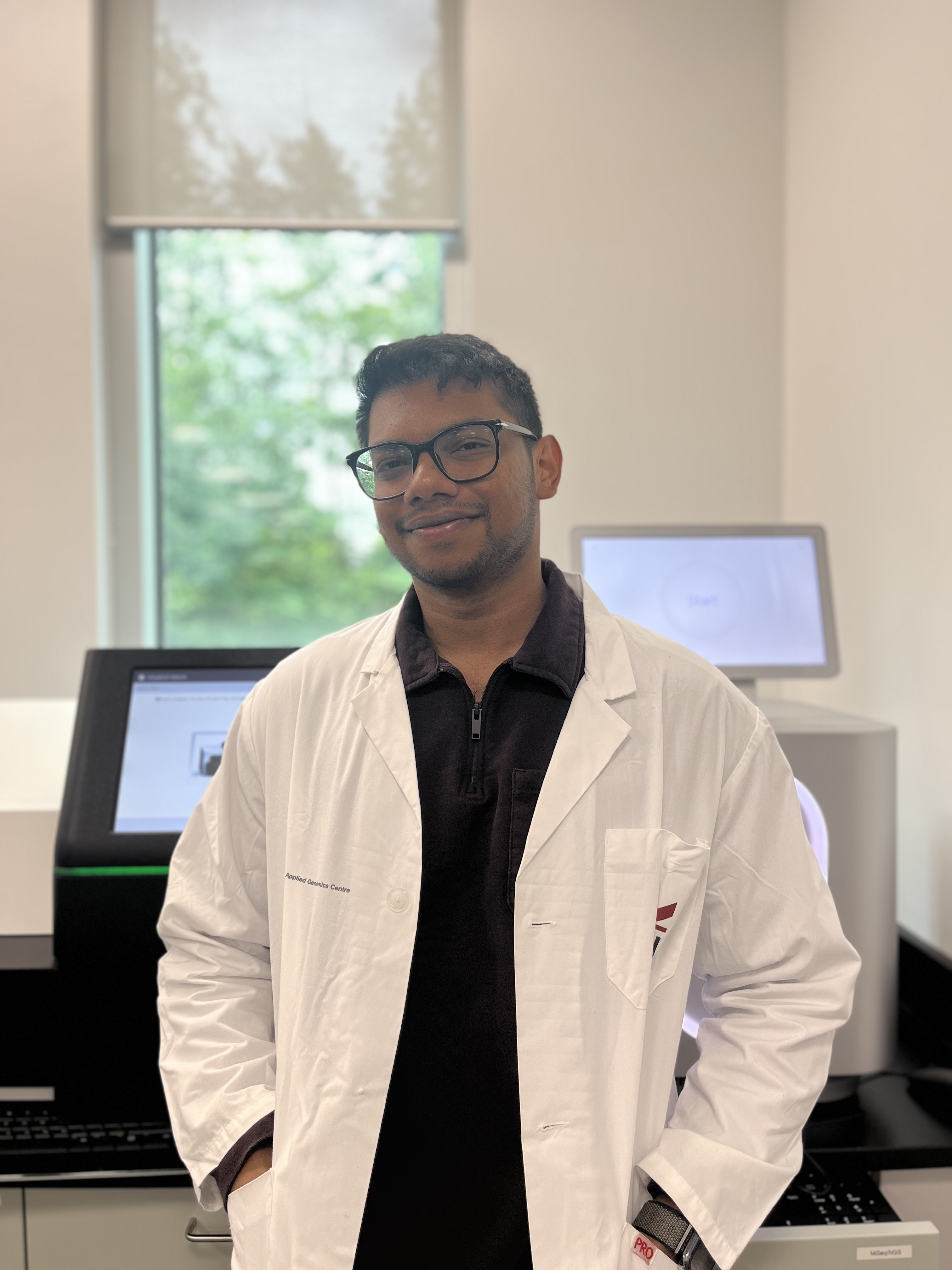
Minuka Hewapathirana is a Carleton Science alumnus now based in Vancouver, BC, where he works as a bioinformatician at the Applied Genomics Centre. He completed his Bachelor of Science in Biology in 2022, followed by a Master of Science in Biology with a Specialization in Data Science in 2024. We caught up with Minuka to talk about how his experiences at Carleton prepared him for industry, what bioinformatics looks like in practice, and his advice for students curious about where a degree in science can take them.
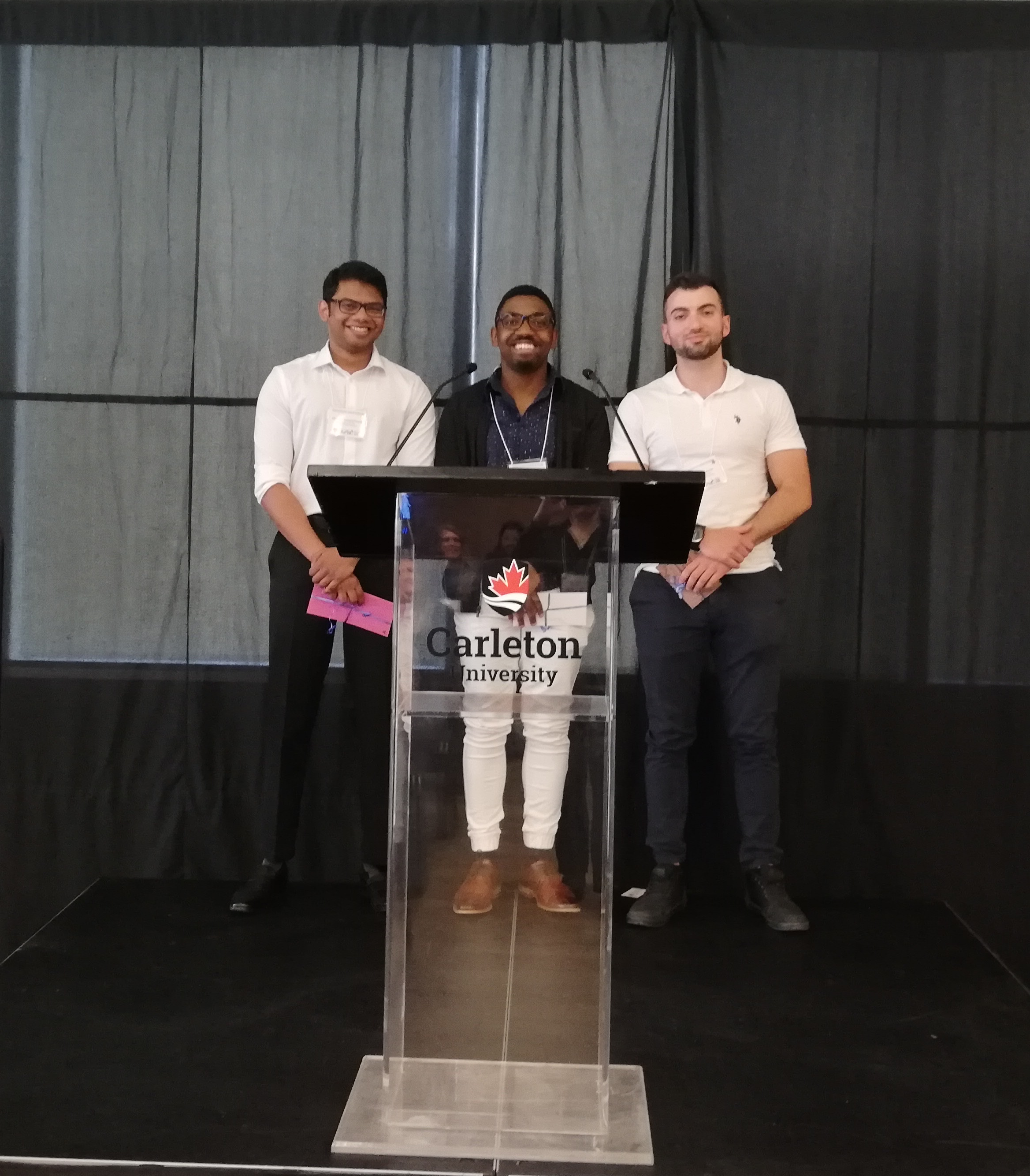
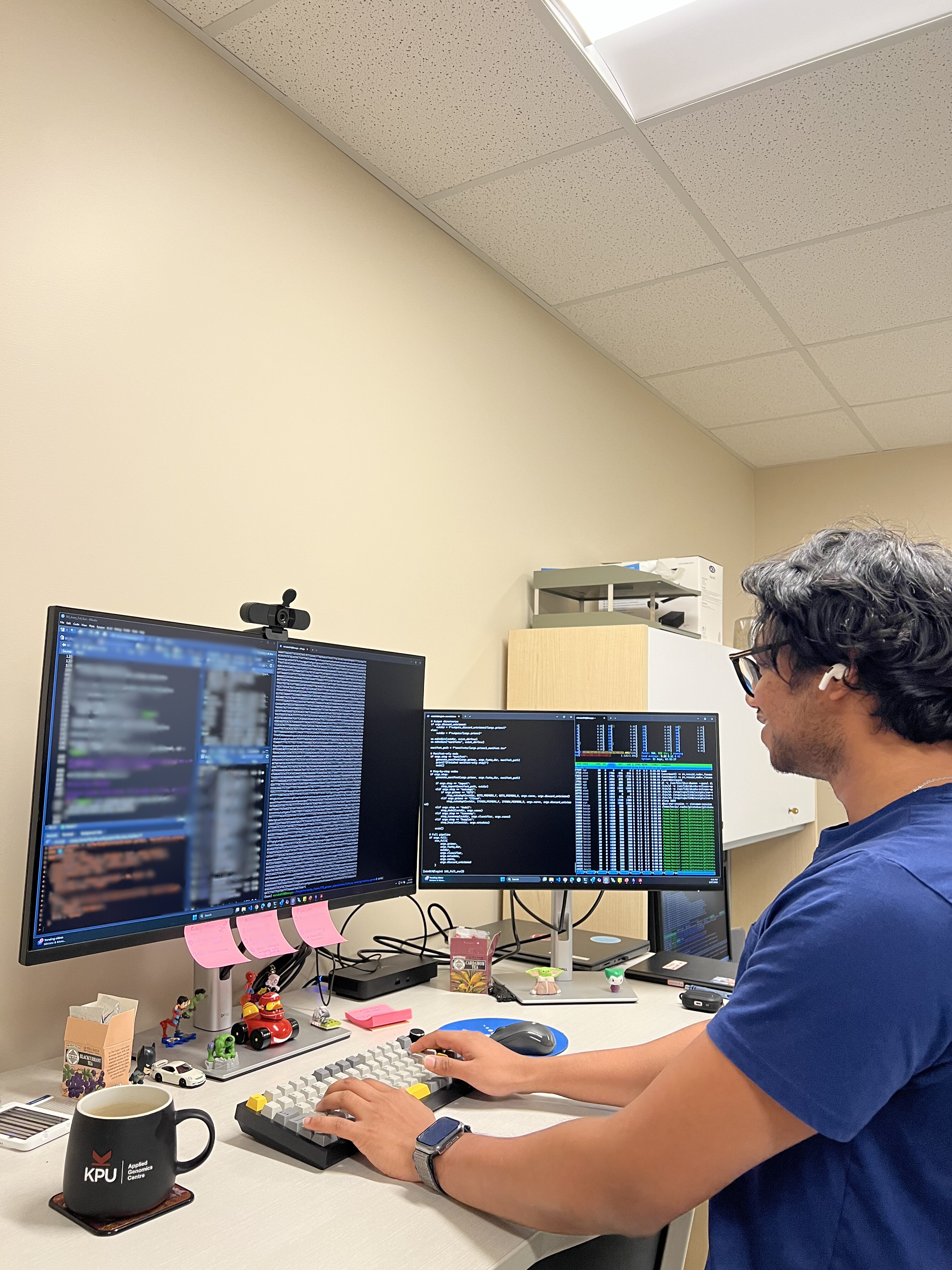
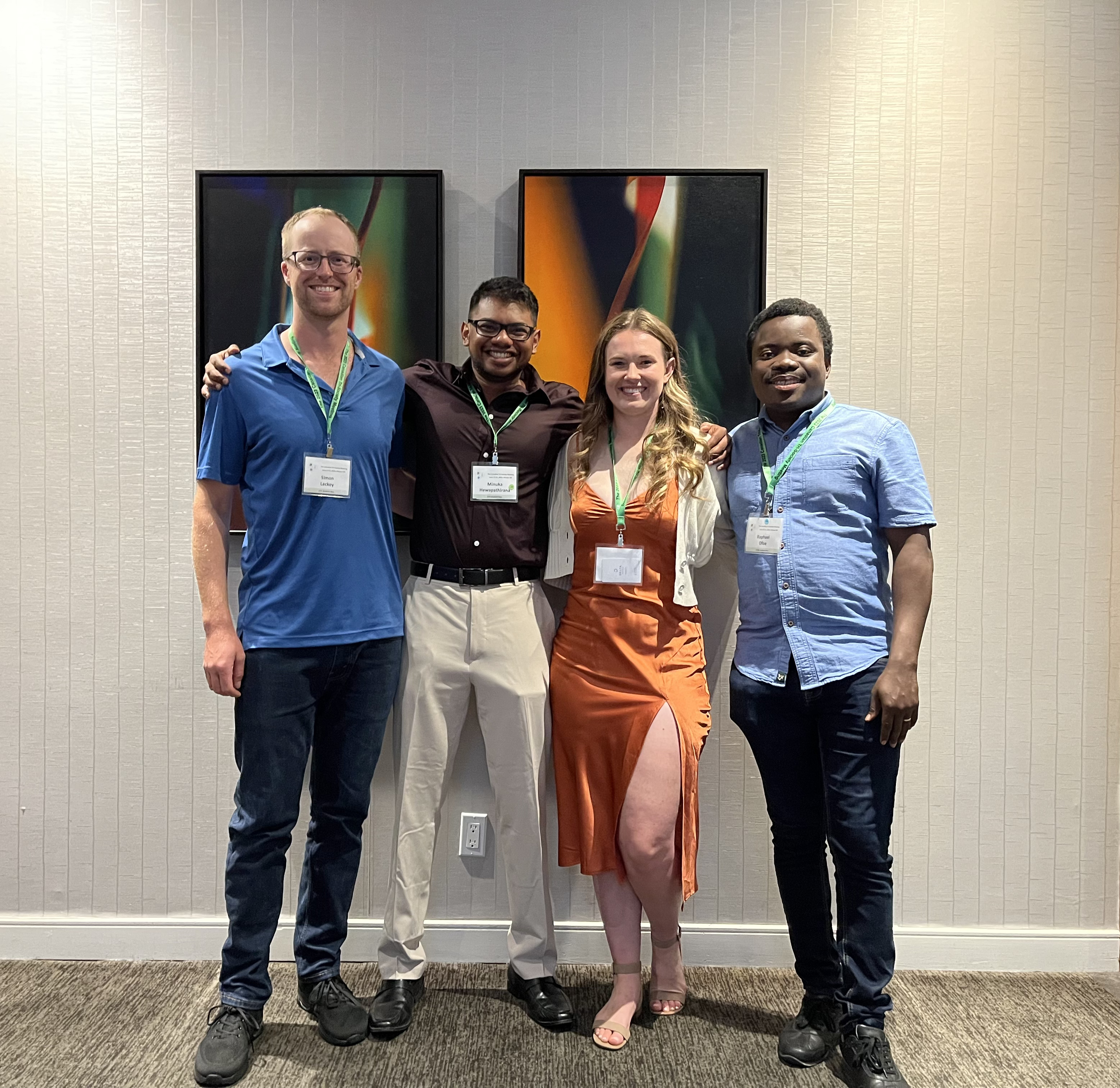
Hi Minuka! How did your undergraduate studies and co-op experience at Carleton help shape your career?
From the start of my academic journey, Carleton provided a supportive and diverse scientific environment that allowed me to explore broadly before specializing in my areas of interest. As a biology undergraduate, I was exposed to disciplines such as biochemistry, physics, and health sciences, which gave me a strong foundation.
I also completed a co-op placement with the Canada Food Inspection Agency, an experience that shaped the direction of my master’s research. Throughout both my undergraduate and graduate studies, I found my professors to be highly approachable. One of the most valuable aspects of Carleton was how easy it was to engage in meaningful conversations with both peers and faculty.
How would you describe the field of Bioinformatics to someone who’s never heard of it before?
Bioinformatics is the intersection of computer science and biology. It uses computational tools and algorithms to analyze biological data and solve complex biological problems. My work focuses on metagenomics, the study of microbial communities within environmental samples. While the field involves a significant amount of coding—which can seem intimidating at first—students can thrive if they approach it with curiosity and an open mindset.
What helped you gain experience in the field?
In my third year, I took a course that sparked my passion for bioinformatics and challenged me to approach problems from a new perspective. That same summer, I volunteered with a PhD student who mentored me and helped deepen my practical skills.
When it came time to apply for jobs, Carleton’s Career Services played a key role in my preparation. They conducted mock interviews and provided guidance that helped me secure my first position. Within six months, I was offered a role as a sequencing technician and eventually transitioned into a position in bioinformatics.
What does a day in the life look like in your current role?
I usually start my day by reviewing project progress and aligning priorities. Mornings are when I do most of my development work, typically building bioinformatics pipelines that transform raw sequencing data into meaningful, reproducible insights for stakeholders. Much of this work involves handling large-scale datasets and designing efficient, scalable solutions.
After lunch, my focus shifts to troubleshooting, debugging, and attending team meetings. I work closely with wet-lab scientists to translate biological questions into computational solutions, ensuring our analyses are both accurate and actionable. The work constantly presents new challenges, making it highly intellectually stimulating. I typically close the day by reflecting on new insights and challenges overcome, which helps me approach each project with greater clarity and experience.
What are the most valuable skills you learned during your time at Carleton?
Carleton gave me the space to develop strong science communication skills. Through my coursework, the Three Minute Thesis (3MT) Competition, and conference presentations, I quickly grew from presenting to small classes to confidently speaking in front of audiences of 300.
The Faculty of Science fosters a highly collaborative environment, and many of my courses emphasized teamwork and professional communication. Those experiences translate directly into my current role. The skills I developed at Carleton now apply to real-world projects every day, and they’ve helped me grow into what I can confidently call my dream job.
What advice would you give to a first-year student interested in studying science at the post-secondary level?
Keep asking “why.” Curiosity is the foundation of science, so never stop questioning how and why things work the way they do.
When I started, I knew I was interested in biology and that I enjoyed solving problems. Over time, Carleton helped me shape that interest into a clear path forward. If you stay curious and continue challenging yourself to solve problems, that curiosity will carry you further than you expect.
-End-