Alumni Spotlight: Robert Anderson
Research Scientist, Canadian Museum of Nature
The Man Who Named 250 Beetles
Dr. Robert Anderson is a Research Scientist at the Canadian Museum of Nature and has discovered and named more than 250 species of weevils (beetles).
A graduate of Carleton’s Master of Science in Biology program in 1981, Robert worked closely with faculty mentors and fellow grad students to conduct fieldwork throughout the world and publish numerous scientific papers. We spoke with him about his time at Carleton, his lifelong passion for insects, and how his graduate studies laid the foundation for his more than 35-year career as an entomologist.
Hi Robert! You’ve been an entomologist now for over 35 years; what sparked your initial interest in insects?
They say every kid goes through a bug phase, and entomologists just never outgrow it. I grew up in Northern Ireland where I had a small butterfly collection. I was inquisitive and my parents were very encouraging – buying me books, taking me to museums and zoos. I knew that at some point I wanted to pursue research at a professional level. I was a bug nerd as a kid and I never outgrew it!
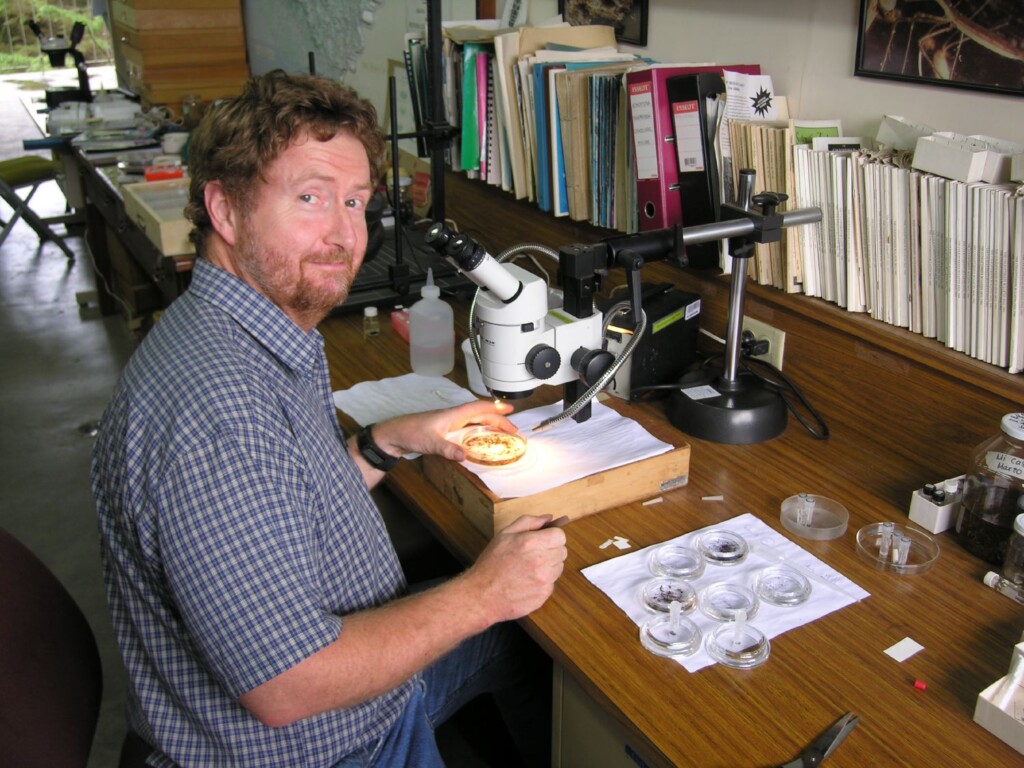
You completed your master’s studies at Carleton in 1981. How did your time at Carleton help shape your career?
You completed your master’s studies at Carleton in 1981. How did your time at Carleton help shape your career?
Carleton was one of two places I could pursue the kind of research I was interested in, so I put together a project with a professor in the Biology Department at Carleton to look at the classification, biology, and biodiversity of a group of beetles in Canada.
I came with knowledge of insects, but Carleton gave me the skills to conduct professional scientific research and to publish in scientific journals. Over two summers, I conducted field work and authored around 10 papers on the group of beetles I had chosen to study for my master’s thesis. The professors I worked with set the stage for my career, and the camaraderie and collegiality among students within the biology community were also very strong and made me confident my decision had been a good one.
I think the people you work with can instill a certain work ethic and passion in you. That level of dedication was strongly encouraged while I was at Carleton.
You’ve discovered and named over 250 species of weevils throughout your career so far. What an incredible feat! Are there any species that hold a special meaning to you?
I named a species after my wife. It was a really pretty one so I thought that very appropriate. Each of my kids has a species named after them that suits their personalities or interests. The one I named after my daughter is from the West Indies because she loves the sun.
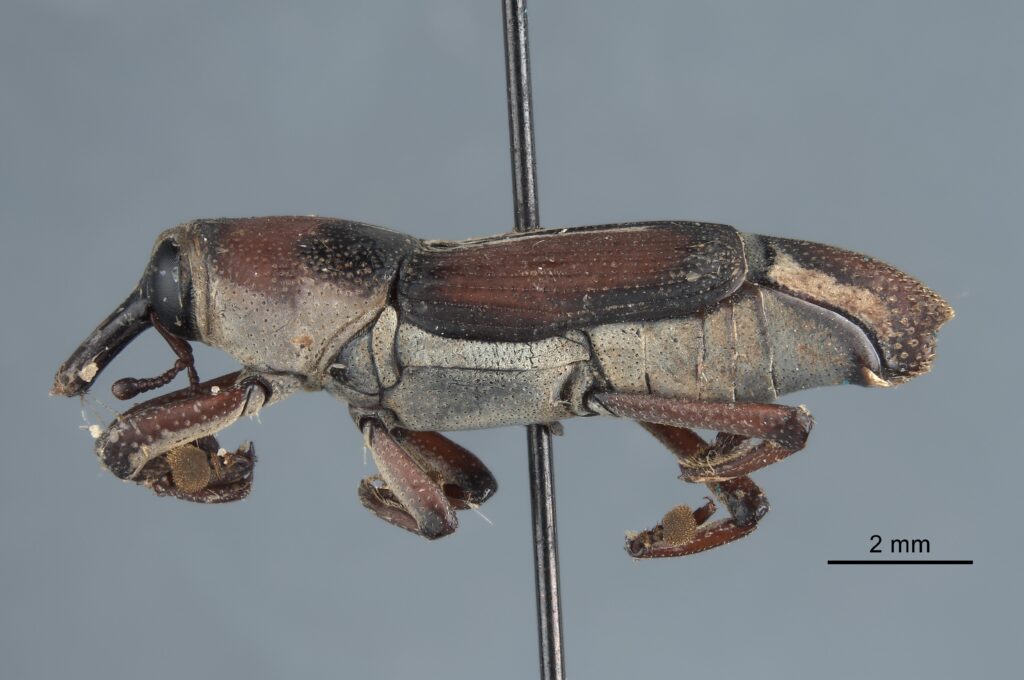
What does your day-to-day look like as a research scientist at the Canadian Museum of Nature?
I conduct research on the classification, naming, and biodiversity of weevils. That involves working with our museum collection of around 2 million specimens. I sort through the collection, place them in their appropriate species, and capture the data about where there were collected electronically to make it available to the broader scientific community. My role also involves a lot of fieldwork, editing scientific journals, and giving presentations about my work and the collections at the museum.
What has been the most fulfilling part of your career?
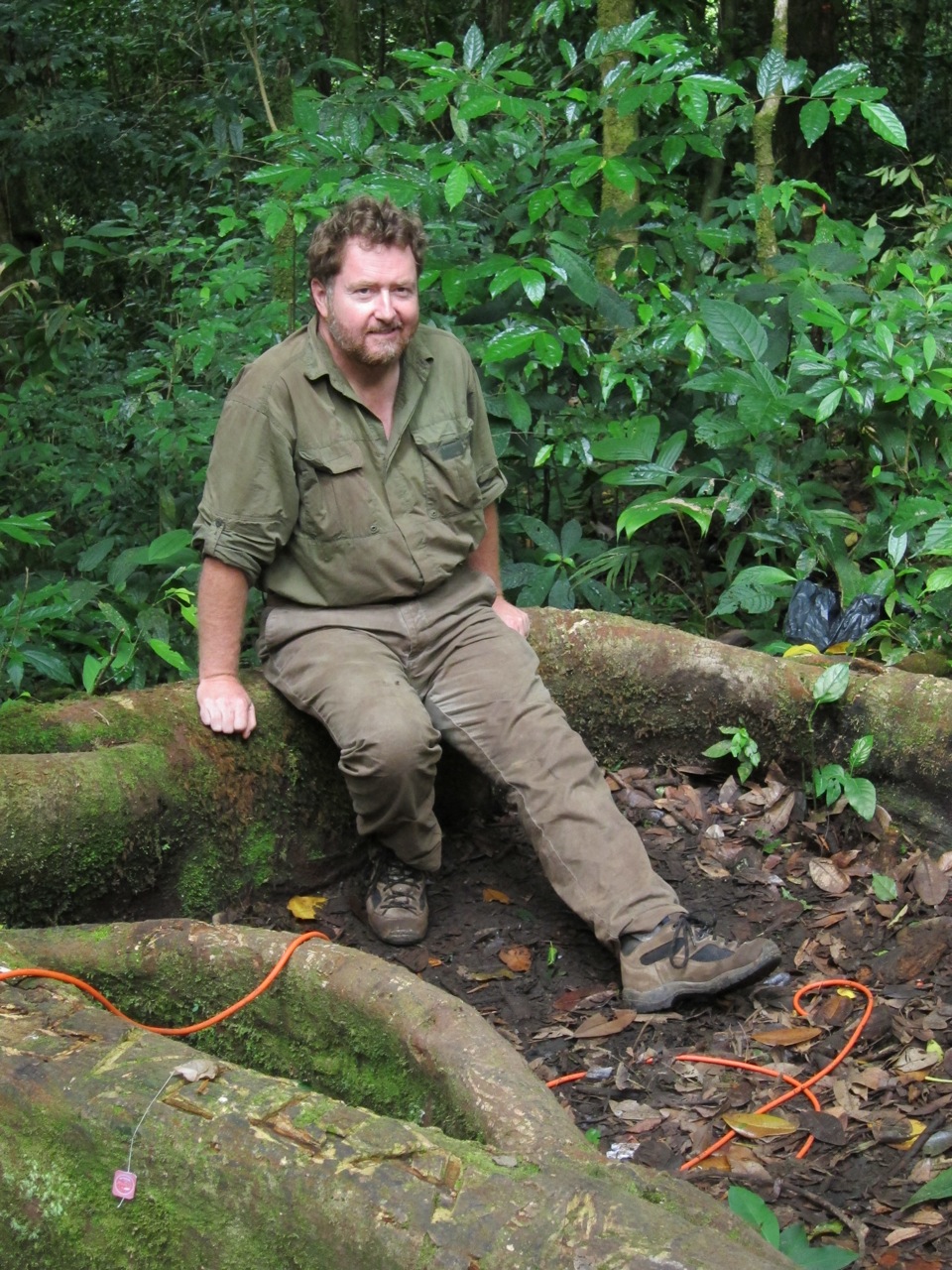
The natural world is going to persist long beyond our individual time here. Over my decades at the museum, I’ve taken around 60 field trips to various parts of the world, and all of those specimens are here in the museum collection. Someone else will come along in 20, 30, or maybe 50 years from now and use the same specimens in their research. So, I feel like the collection ensures a continuity of information that the next generation can take advantage of and use.
A Carleton professor of mine once said, “they’re paying me to do something I would do as a hobby.” That’s the way so many of us in the scientific community think. We don’t really feel like we’re working; we feel like we’re doing something we’re really passionate about.
What advice would you give to young or aspiring scientists still figuring it out?
It’s corny, but I always tell people to follow something that you really love to do and are passionate about, because you’re likely going to spend your life working on it. For some people it might be nature; for others, maybe it’s playing with numbers. For me, I was fascinated by little six-legged creatures running underneath my feet, and it led me in the right direction.
-End-